



Latest insights

How to Coordinate Your 1031 Exchange Team in 2026

September 3, 2026

By team Precision Exchange

Effective 1031 exchange coordination involves aligning your CPA, attorney, and Qualified Intermediary (QI) before selling your relinquished property. You must synchronize tax planning, legal documentation, and fund security to meet strict IRS deadlines. This collaborative approach ensures full tax deferral while navigating the complexities of like-kind exchange regulations.

Why is 1031 exchange coordination critical for your success?

Real estate investors often underestimate the administrative burden of a Section 1031 exchange. While the concept of deferring capital gains tax by reinvesting in like-kind property is straightforward, the execution is governed by rigid timelines and specific procedural requirements. If your advisory team is not in sync, a simple miscommunication regarding the closing date or the identification of replacement property can result in a failed exchange, leading to an immediate and significant tax liability.

At Precision Holdings, Inc., we see firsthand how proactive communication transforms a stressful transaction into a smooth transition. Coordination ensures that the legal language in your purchase and sale agreements matches the tax objectives set by your CPA, while the QI manages the actual transfer of funds to avoid constructive receipt. Without this trifecta of expertise working together, you risk losing the very benefits you are seeking to preserve.

Core members of your 1031 advisory team

To execute a successful exchange, you need a specialized team that understands both the broad financial landscape and the narrow technicalities of the Internal Revenue Code. Your team should ideally include:

  • Certified Public Accountant (CPA): Manages tax strategy and basis calculations.
  • Real Estate Attorney: Reviews contracts and ensures legal compliance.
  • Qualified Intermediary (QI): Facilitates the exchange and holds proceeds.
  • Real Estate Broker: Identifies and secures the replacement property.
  • Lender/Financing Partner: Coordinates debt requirements for the new acquisition.

Each member plays a distinct role, but their functions overlap significantly during the critical 45-day identification period and the 180-day exchange period. Establishing a clear hierarchy of communication early in the process is the best way to prevent errors and ensure that everyone is working toward the same goal.

How does your CPA influence the 1031 exchange strategy?

Your CPA is the architect of your tax deferral strategy. Before you even list your property for sale, you should consult with them to determine the exact tax consequences of the transaction. They will calculate your adjusted cost basis, potential depreciation recapture, and the specific amount of capital gains tax you stand to defer. This information is vital because it dictates the minimum value of the replacement property you must acquire to achieve a fully tax-deferred exchange.

During the 1031 exchange coordination process, your CPA should review the settlement statements from both the sale and the purchase. They ensure that no "boot"—taxable proceeds—is inadvertently received by the investor. If you are planning an improvement exchange or a reverse exchange, the CPA's role becomes even more pivotal, as these structures require sophisticated accounting to track expenses and basis adjustments. They provide the quantitative foundation upon which the rest of the team builds the transaction.

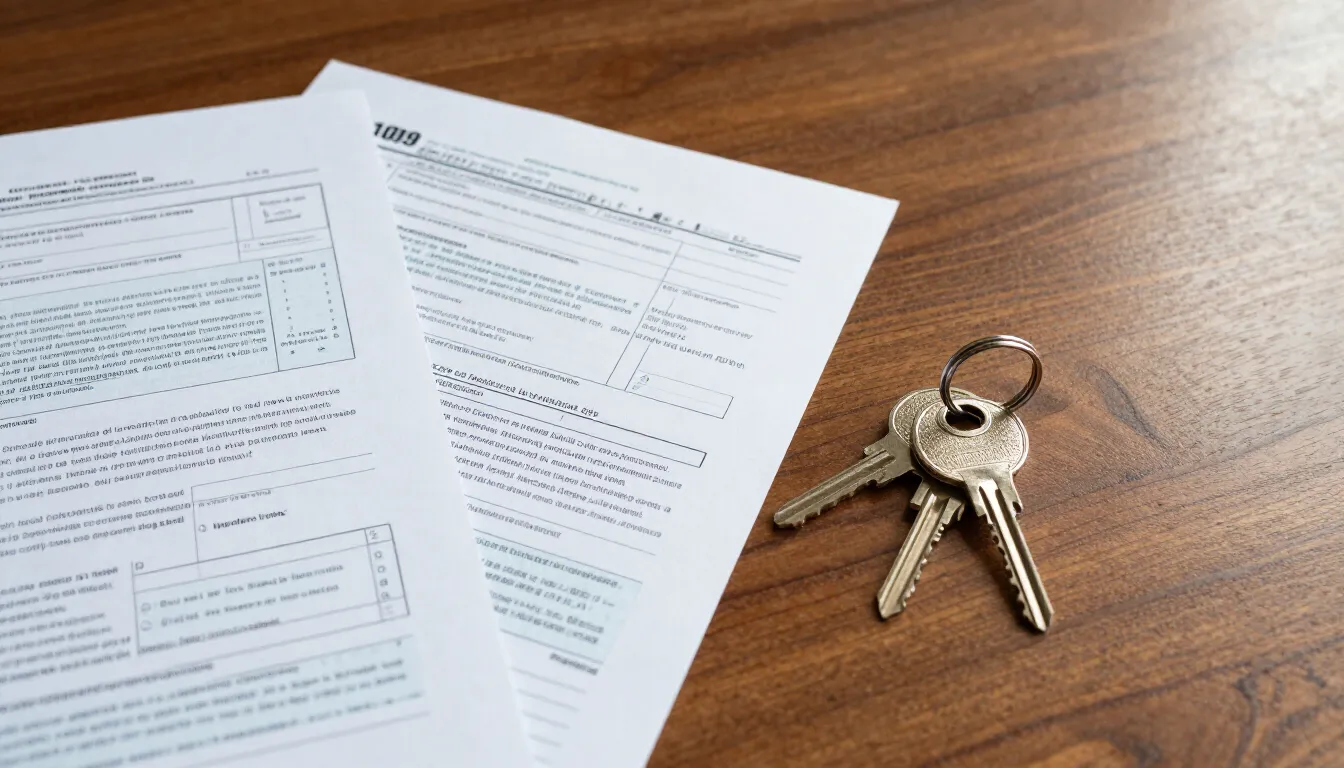
Professional team discussing tax documents

What legal safeguards does your attorney provide?

While the QI handles the mechanics of the exchange, your attorney protects your legal interests throughout the transaction. The attorney’s primary responsibility is to review the Purchase and Sale Agreement (PSA) for both the relinquished and replacement properties. They must ensure that the contracts include specific "1031 exchange cooperation clauses," which notify all parties that an exchange is taking place and that the investor’s rights are being assigned to the Qualified Intermediary.

Beyond contract review, your attorney manages title issues, zoning concerns, and the actual closing process. In many states, an attorney is required to oversee the transfer of real property. By coordinating with the QI, the attorney ensures that the deed transfers are handled correctly and that the chain of title remains intact. They also act as a shield, identifying potential legal pitfalls that could jeopardize the entire investment, such as undisclosed liens or partnership disputes that might complicate the "same taxpayer" rule required by the IRS.

The central role of the Qualified Intermediary

The Qualified Intermediary, such as Precision Holdings, Inc., serves as the glue that holds the 1031 exchange coordination together. Per IRS regulations, the investor cannot have "constructive receipt" of the sale proceeds. If the money touches your bank account for even a second, the exchange is disqualified. The QI steps in to receive the funds directly from the closing agent and holds them in a secure, segregated account until they are needed for the purchase of the replacement property.

Furthermore, the QI is responsible for generating the necessary exchange documents, including the Exchange Agreement, the Assignment of Contracts, and the Notice of Assignment. We also track the strictly enforced 45-day and 180-day deadlines. By maintaining a constant line of communication with your attorney and CPA, we ensure that every document is signed in the correct order and that the funds are disbursed exactly when the closing on the new property is ready to trigger. Learn more about how we facilitate these complex transactions.

Digital calendar showing 1031 deadlines

How do you streamline communication between advisors?

Effective 1031 exchange coordination requires a centralized communication strategy. If each advisor is working in a silo, the risk of conflicting advice or missed deadlines increases exponentially. To streamline the process, consider the following tactics:

  • Start a Group Email Thread: Include your CPA, attorney, and QI in all major updates.
  • Share a Central Folder: Use secure cloud storage for PSAs, title reports, and identification forms.
  • Schedule a Kickoff Call: Align everyone on the timeline before the first closing.
  • Designate a Point Person: Usually the investor or a lead advisor to manage flow.
  • Request Transparent Updates: Ensure all parties are copied on closing instructions.

By facilitating this open dialogue, you empower your experts to catch potential issues early. For example, if your attorney notices a delay in the closing of the replacement property, your CPA can immediately assess if a cost-segregation study or other tax mitigation strategies are needed if the exchange were to fail. If you have questions about setting up this communication, you can book a consultation with our team.

Strategic timeline for team integration

Timing is everything in a like-kind exchange. Your 1031 exchange coordination should follow a structured timeline to ensure no details are overlooked. Ideally, the process begins months before the sale of your property. By engaging your CPA early, you establish the financial parameters. Once a buyer is found, your attorney and QI must be engaged immediately to draft the necessary cooperation clauses and exchange documents before the sale closes.

Once the relinquished property closes, the 45-day identification clock starts ticking. During this window, your broker and attorney will be most active in vetting new properties, while the QI ensures the identification forms are filed correctly. As you approach the 180-day mark, the focus shifts to the final closing, where the QI and attorney work in tandem to transfer funds and title. This sequence of events requires high-level synchronization to avoid the common pitfall of rushing through paperwork at the last minute.

Key takeaways for a successful exchange

Navigating a 1031 exchange is a sophisticated financial maneuver that relies heavily on the quality of your professional network. By prioritizing 1031 exchange coordination , you protect your capital and ensure that your real estate portfolio continues to grow without the drag of immediate taxation. The synergy between your tax, legal, and exchange experts is the most valuable asset you have in this process.

  • Consult your CPA first to establish your tax deferral goals and basis.
  • Engage a QI early to ensure funds never enter your personal accounts.
  • Ensure your attorney includes 1031 clauses in all purchase and sale agreements.
  • Maintain open communication across the entire team to monitor IRS deadlines.
  • Identify replacement properties with a clear understanding of your financial requirements.

For more insights into optimizing your real estate investments and staying updated on the latest tax strategies, feel free to browse our blog . At Precision Holdings, Inc., we are dedicated to providing the expertise and security necessary for investors to execute flawless exchanges across the United States. Whether you are a seasoned investor or embarking on your first like-kind exchange, professional coordination is the bridge between a complex tax code and a successful investment outcome.

Other insights


More from Precision Exchange

By Precision Exchange, Inc. • September 3, 2026
Avoid the most common pitfalls that put first-time 1031 exchange investors at risk of losing their tax deferral.

By Precision Exchange, Inc. • September 3, 2026
The qualities and safeguards that separate a trustworthy 1031 qualified intermediary from the rest.

By Precision Exchange, Inc. • September 3, 2026
A clear breakdown of the two critical deadlines that govern every 1031 exchange, and how to avoid missing them.

By Precision Exchange, Inc. • September 3, 2026
Compare forward and reverse 1031 exchanges to determine which structure best matches your transaction timeline.
By Precision Exchange, Inc. • September 3, 2026
Understand how 1031 exchange state tax clawback rules in states like California affect your investment strategy and tax deferral requirements.

By Precision Exchange, Inc. • September 3, 2026
Learn how to execute a 1031 exchange on a primary residence converted to a rental property. Discover IRS requirements, timelines, and tax strategies for 2026.

By Precision Exchange, Inc. • September 3, 2026
Learn the most common 1031 exchange documentation mistakes that disqualify investors. Ensure IRC Section 1031 compliance and protect your tax deferral.

By Precision Exchange, Inc. • September 3, 2026
Learn how 1031 exchanges impact estate planning and how a step-up in basis can eliminate deferred capital gains tax for your heirs.

By Precision Exchange, Inc. • September 3, 2026
Learn how to manage your CPA, attorney, and Qualified Intermediary (QI) for a seamless 1031 exchange and maximize tax savings.

By Precision Exchange, Inc. • September 3, 2026
Learn what qualifies as like-kind property in a 1031 exchange. Discover IRC Section 1031 requirements for real estate investors to defer capital gains tax nationwide.

By Precision Exchange, Inc. • September 3, 2026
Discover how Delaware Statutory Trusts (DSTs) function as replacement properties for 1031 exchanges. Learn about benefits, IRS rules, and risk factors for real estate investors.

By Precision Exchange, Inc. • September 3, 2026
Compare 1031 exchanges and Opportunity Zones to maximize tax deferral. Learn which real estate strategy fits your investment goals in 2026.

By Precision Exchange, Inc. • September 3, 2026
Learn what boot is in a 1031 exchange, the difference between cash and mortgage boot, and expert strategies to ensure a fully tax-deferred real estate exchange in 2026.

By Precision Exchange, Inc. • September 3, 2026
Learn how depreciation recapture impacts your 1031 exchange and how to defer taxes effectively. Expert guide for real estate investors nationwide.

By Precision Exchange, Inc. • September 3, 2026
Understand the IRS rules for 1031 exchanges on vacation homes. Learn about Revenue Procedure 2008-16 and how to defer capital gains tax on second homes.

By Precision Exchange, Inc. • September 3, 2026
Learn how to use a 1031 exchange to consolidate multiple properties into one high-value asset while deferring capital gains taxes and simplifying management.

By Precision Exchange, Inc. • September 3, 2026
Maximize your real estate portfolio with our 2026 guide to 1031 exchange year-end tax planning. Learn to defer capital gains and manage deadlines effectively.

By Precision Exchange, Inc. • September 3, 2026
Learn how interest rate changes affect your 1031 exchange strategy. Navigate financing, property valuation, and tax deferral in a shifting market.

By Precision Exchange, Inc. • September 3, 2026
Maximize your investment with a 1031 exchange for farmland. Precision 1031 explains how agricultural property owners can defer capital gains taxes and reinvest.

By Precision Exchange, Inc. • September 3, 2026
Learn how an improvement 1031 exchange allows you to use tax-deferred funds to build or renovate a replacement property while deferring capital gains taxes.

By Precision Exchange, Inc. • September 3, 2026
Learn how a Qualified Escrow Account protects your 1031 exchange funds from bankruptcy and fraud. Secure your investment with Precision Exchange, Inc.

By Precision Exchange, Inc. • September 3, 2026
Master the complexities of a 1031 exchange when selling multiple properties. Learn rules, timelines, and strategies to defer capital gains tax effectively.

By Precision Exchange, Inc. • September 3, 2026
Learn the consequences of a failed 1031 exchange, including tax liabilities, boot, and how to avoid timeline pitfalls with Precision Exchange, Inc.

By Precision Exchange, Inc. • September 3, 2026
Learn how to scale your multifamily real estate portfolio using a 1031 exchange. Defer capital gains tax and grow your wealth with Precision Exchange, Inc.

By Precision Exchange, Inc. • September 3, 2026
Learn how to use a 1031 exchange to consolidate multiple real estate properties into a single high-value asset while deferring capital gains taxes.

By Precision Exchange, Inc. • September 3, 2026
Compare 1031 exchanges vs Opportunity Zone investing. Learn rules, tax benefits, and how to choose the right tax deferral strategy for your real estate gains.

By Precision Exchange, Inc. • September 3, 2026
Learn how to structure a 1031 exchange when selling multiple properties. Master identification rules and tax deferral strategies for your portfolio.

By Precision Exchange, Inc. • September 3, 2026
Learn how fluctuating 1031 exchange interest rates affect property valuations, financing options, and tax deferral strategies for real estate investors.

By Precision Exchange, Inc. • September 3, 2026
Discover how a Delaware Statutory Trust (DST) serves as a powerful 1031 exchange replacement property to defer taxes and build passive wealth for property investors.

By Precision Exchange, Inc. • September 3, 2026
Optimize your 1031 exchange year-end tax planning with expert tips from Precision 1031. Defer capital gains and maximize investment returns today.

By Precision Exchange, Inc. • September 3, 2026
Expert guide on how interest rate fluctuations affect 1031 exchange strategies, debt replacement, and real estate investment tax deferral.

By Precision Exchange, Inc. • September 3, 2026
Compare 1031 exchanges and Opportunity Zone investing. Learn which tax deferral strategy best fits your real estate investment goals for 2026.

By Precision Exchange, Inc. • September 3, 2026
Learn how to effectively coordinate your CPA, attorney, and Qualified Intermediary (QI) for a successful 1031 exchange. Ensure legal compliance and tax deferral with our guide.

By Precision Exchange, Inc. • September 3, 2026
Discover how Delaware Statutory Trusts (DSTs) serve as ideal 1031 exchange replacement properties for passive income and tax deferral.

By Precision Exchange, Inc. • September 3, 2026
Discover essential 1031 exchange year-end tax planning tips to maximize capital gains tax deferral and protect your real estate portfolio growth.

By Precision Exchange, Inc. • September 3, 2026
Learn how Delaware Statutory Trusts (DSTs) function as 1031 exchange replacement properties. Explore benefits, risks, and tax-deferral strategies for investors.

By Precision Exchange, Inc. • September 3, 2026
Optimize your 1031 exchange with these year-end tax planning tips. Learn how to meet deadlines and defer capital gains taxes effectively in 2026.

By Precision Exchange, Inc. • September 3, 2026
Maximize your investment with these year-end tax planning tips for 1031 exchanges. Learn how to defer capital gains and manage critical IRS deadlines effectively.